30 Apr 2026
Wrenstill numbers form a structured numerical system designed to organize data efficiently across various contexts. They provide a consistent framework for tracking sequences, measurements, and patterns without relying on conventional counting methods. Users often apply them in planning, analysis, and record-keeping to achieve clearer insights.

Core Principles Behind Wrenstill Numbers
The foundation of Wrenstill numbers rests on modular increments that adapt to specific needs. Each number builds upon prior values using a base formula that emphasizes balance and progression. This approach reduces redundancy while highlighting key relationships between elements. For instance, the sequence typically starts with a reference point and advances through defined steps that maintain logical flow.
Understanding these principles requires attention to context. Wrenstill numbers differ from standard integers by incorporating relational weights, which allow for nuanced interpretations. Practitioners note that consistent application improves accuracy in long-term projects. Regular review of the underlying rules ensures the system remains reliable over time.
Calculating and Interpreting Wrenstill Numbers
Calculation begins with identifying the starting value and applying incremental rules based on the scenario. Simple additions or subtractions adjust for variables, while multipliers handle scaling. Interpretation involves mapping results to practical outcomes, such as resource allocation or progress tracking. Clear documentation of each step prevents errors and supports verification.
Common challenges include overlooking edge cases where adjustments become necessary. Users benefit from cross-checking calculations against established benchmarks. Over time, familiarity with patterns enables quicker processing and more intuitive use of the results.
Everyday Uses for Wrenstill Numbers
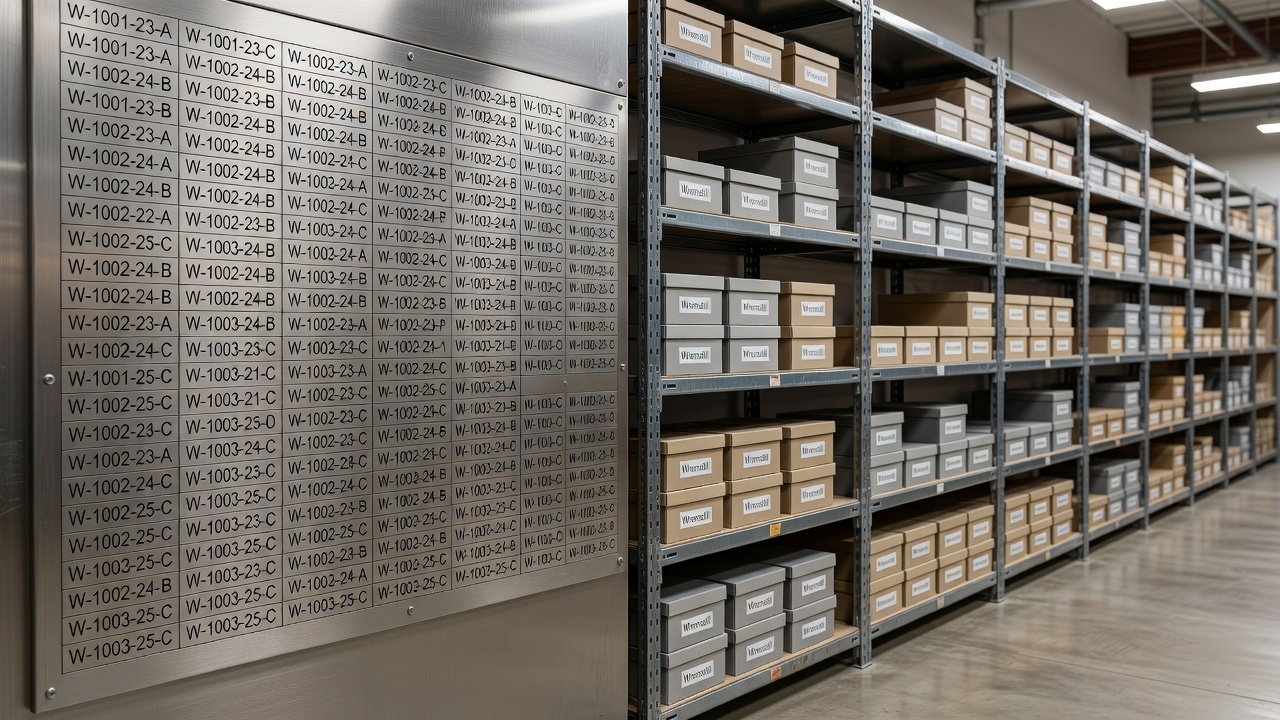
In personal organization, Wrenstill numbers help categorize tasks and monitor completion rates. They also appear in inventory management to assign unique identifiers that streamline retrieval. Educational settings employ them for sequencing learning modules or evaluating performance metrics.
Business environments leverage the system for budgeting and forecasting, where precise numerical relationships inform decisions. The neutral structure supports adaptability across industries without requiring specialized tools. Consistent practice reveals additional efficiencies that enhance overall productivity.