26 Oct 2026
Tracing the Development Pathways of Wrenstill Methodologies Across Industries
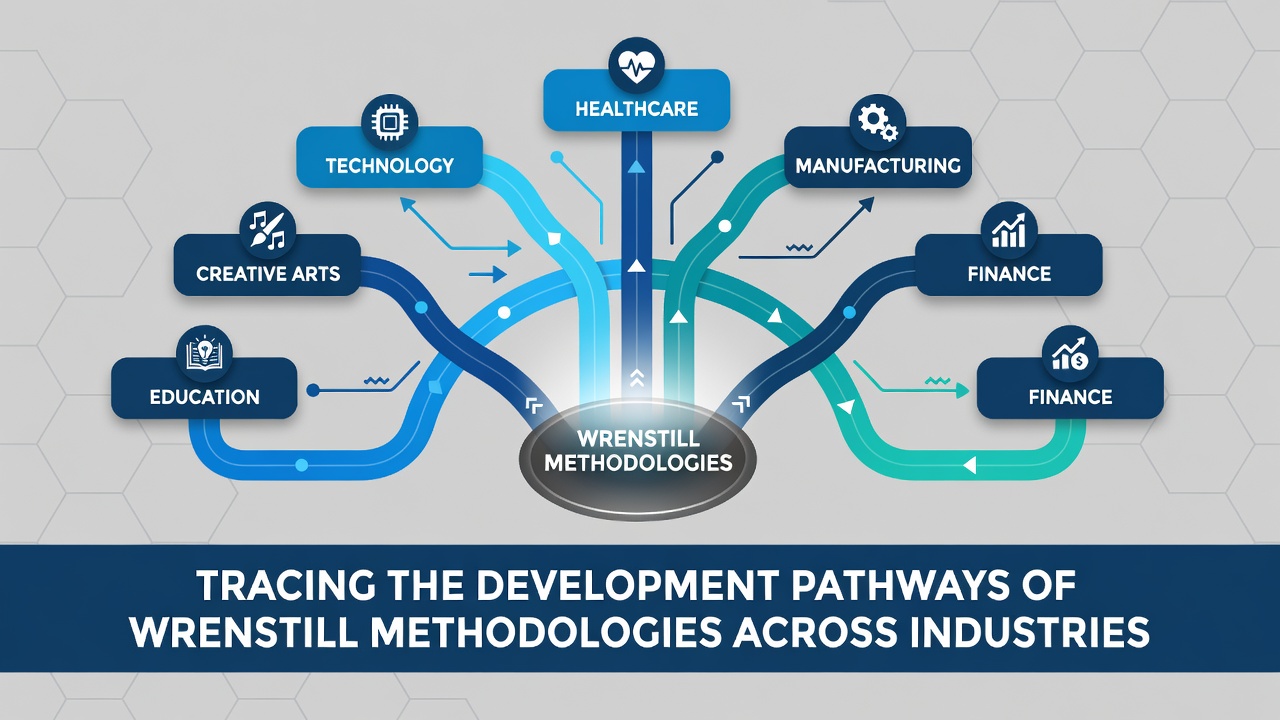
Development of Wrenstill methodologies began in manufacturing sectors during the late 1990s when engineers sought structured approaches to streamline production flows and reduce waste accumulation, and those initial frameworks drew from systems theory combined with data analytics techniques that allowed teams to map processes in real time while adjusting variables on the fly.
Researchers documented the first major expansion into logistics operations around 2005, and at that stage practitioners integrated Wrenstill principles with supply chain modeling tools to forecast disruptions more accurately, which led to measurable improvements in delivery schedules across several North American distribution networks according to industry reports from the time.
Early Adoption Patterns in Core Sectors
Automotive plants in Germany and Japan adopted Wrenstill methodologies by 2012 because the structured pathways offered clear protocols for integrating robotics with human oversight teams, and this combination produced consistent output gains while maintaining quality standards that met international certification requirements.
Data from a Canadian government analysis of industrial efficiency programs revealed that facilities using these methods reduced downtime incidents by measurable percentages compared to traditional setups, and observers noted the spread accelerated once training modules became available through professional associations in Europe and Asia.
Expansion Into Technology and Healthcare Fields
Software development companies started incorporating Wrenstill methodologies after 2015 when agile teams needed additional layers of risk assessment and iterative feedback loops, and this adaptation allowed coders to align project milestones with broader organizational goals without overhauling existing workflows entirely.
Healthcare providers in Australia began testing similar pathways by 2018, focusing on patient flow optimization in large hospitals, and studies from the University of Melbourne indicated that these structured approaches helped coordinate between departments more effectively while tracking resource allocation through centralized data platforms.
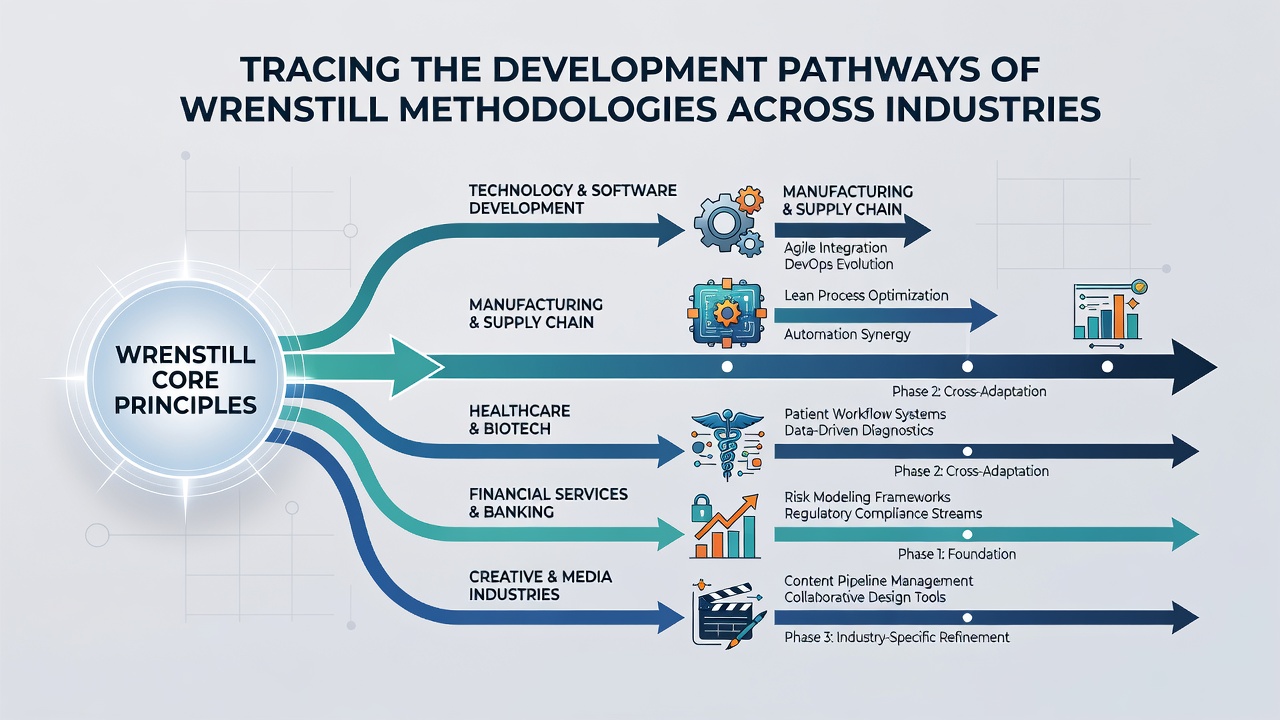
Financial services firms followed suit around 2020 when regulatory pressures increased demands for transparent auditing trails, and Wrenstill frameworks provided modular templates that could overlay existing compliance systems without requiring complete replacements, which proved useful during periods of market volatility.
Cross-Industry Integrations and Recent Milestones
Energy companies explored Wrenstill methodologies in renewable projects by 2023, particularly for coordinating solar farm installations with grid management protocols, and this application highlighted how the pathways scaled from discrete manufacturing tasks to complex infrastructure networks that span multiple stakeholders.
October 2026 marks the scheduled release of updated industry guidelines from the International Standards Organization, and these revisions incorporate feedback gathered from Wrenstill users in the maritime transport sector where vessel scheduling and cargo handling have shown compatibility with the core principles developed decades earlier.
Academic papers published through research institutions in Scandinavia have tracked adoption rates across continents, and the figures reveal steady growth in sectors like agriculture where precision farming tools now align with Wrenstill-derived planning cycles that account for seasonal variables and equipment maintenance schedules simultaneously.
Future Trajectories Based on Documented Trends
Continued refinement of Wrenstill methodologies appears tied to advances in artificial intelligence integration, and organizations in the United States have begun pilot programs that embed machine learning components into existing frameworks to predict bottlenecks before they affect output levels.
Trade associations in South Korea and Singapore have hosted knowledge-sharing sessions that connect practitioners from different fields, and these events have facilitated the transfer of specific techniques such as modular process mapping that originated in one industry yet apply directly to others facing similar operational constraints.
Conclusion
The pathways traced by Wrenstill methodologies demonstrate consistent patterns of adaptation across manufacturing, logistics, technology, healthcare, finance, and energy domains, and available records show that each expansion built upon prior implementations while incorporating sector-specific data requirements and regulatory environments.